
Filling Every Blank on Your Resume: Building a Portfolio from Your Activity Records!
In my previous post, I explored the importance of extracurricular activities and what they really mean for your growth.
This time, I was originally planning to write about how to build a portfolio, but I realized there's a crucial step I hadn't covered yet -- so I decided to change the topic and address that first.
Alright, so now you know why extracurricular activities matter and you've picked up some tips on how to find them. All that's left is to get out there, participate, and broaden your horizons. (The same goes for on-campus activities and anything related to your major.)
But is it really enough to just do a bunch of activities and then list them on your resume later? As you might expect -- no, it's not.
So what else is there beyond just starting activities and working hard at them? Don't feel overwhelmed or worried.
What I'm about to share is something that plenty of people are already doing well.
Activities? Show Me the Evidence!

What I want to talk about -- the one thing you must do while doing extracurriculars and school activities -- is documenting your evidence. I know that might sound odd, but this is something truly simple yet essential, so please read carefully.
I'm not the kind of person who neatly organizes files into folders for each activity or sorts photos by date in the cloud. When I was doing extracurriculars, I just left files scattered all over my MacBook without giving them much thought. Naturally, a lot of files got lost, and there are photos and materials that disappeared forever.
Because I didn't understand the importance of collecting evidence, I wasn't running a blog or maintaining any organized social media presence. So whenever I wanted to apply for something, I had no way to show proof of my past activities. As a result, I kept getting rejected from things I wanted to do, and that went on for a long time. But once I realized how crucial it was to document everything -- saving materials, taking photos, keeping records -- that small habit became a major turning point that helped me find the work I wanted and ultimately land a job.
I'm sharing this so that you, reading this now, won't have to go through the same trial and error I did. Here are some tips that students just starting out with extracurriculars and part-time jobs should know from the beginning.
(Curious about why Habni realized evidence collection (personal branding) is so important? Read more here)
1. Document Every Moment -- Your Coursework, Campus Activities, and Extracurriculars
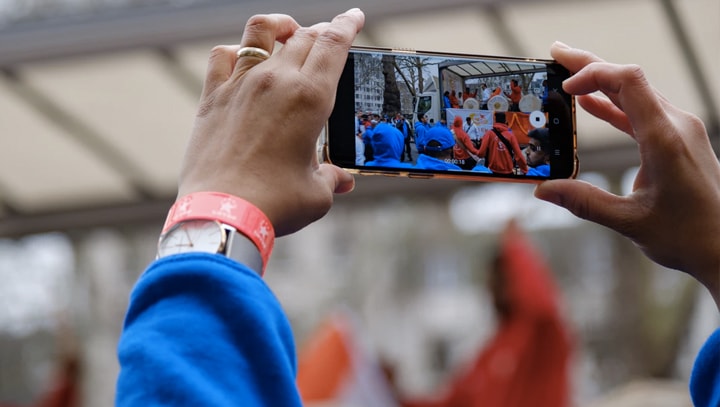
When you're studying for your major or participating in various activities, you'll naturally end up studying, going on outings, taking photos and videos, working on assignments, and giving presentations. Through all of this, you'll accumulate things -- photos, notes, files, and records, however small.
Even if records don't naturally come out of an activity, make a habit of proactively taking photos or writing things down. Like the song lyrics say, document that "you were once a part of that activity." Even just a few photos can become incredibly valuable evidence down the road. (I'll cover more creative ways to use those photos in the next post.)
2. Organize and Keep Those Records
Gather and categorize all those photos you took during activities, the PPTs you made, and even those school assignment files -- you know the ones: final.ppt, final_FINAL.ppt, final_FINAL_FINAL.ppt. Organize them by subject and by activity.
Of course, depending on your major, there might be courses where such deliverables aren't relevant at all. But I'd still recommend keeping everything organized, because having those files can help you create a much richer resume and cover letter. It's also important to classify these files by time period and by activity type. (The things worth keeping could even include awards from competitions you did well in, or certificates of completion from activities you finished.)
Once you're ready to start collecting files -- or if you already have them -- you're all set for the next step.
So what exactly are we going to do with all these files? Print them out and bring them to an interview? No -- it's time to present ourselves in a smarter, more polished way.
That's right. We're going to build a clean, easy-to-view "portfolio" with these materials.
Portfolio?
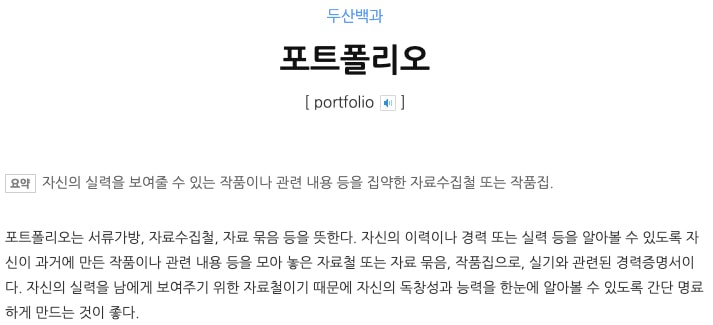
If your major naturally produces tangible work or records throughout your coursework, you might already be familiar with building a portfolio. But for many students, this concept can feel completely foreign.
These days, more and more students are thinking about employment from freshman year and steadily preparing throughout their college years. They've likely been building their resumes and even curating personal blogs along the way, unlike how I used to be.
But if you're like the old me -- no blog, no understanding of why documenting your experiences matters -- then start collecting your evidence now. Follow along with my upcoming post, "Fill One More Section of Your Resume! Building a Portfolio from Scratch," and you'll be able to create one too.
Let me summarize what you need to build a portfolio:
- Participate actively in various activities. (Both on and off campus.)
- Document everything from those activities. (I even took photos of every part-time job I had.)
- Read Habni's next post and follow along.
Alright then, in the next post, let's actually, truly, for real build a quick portfolio together!